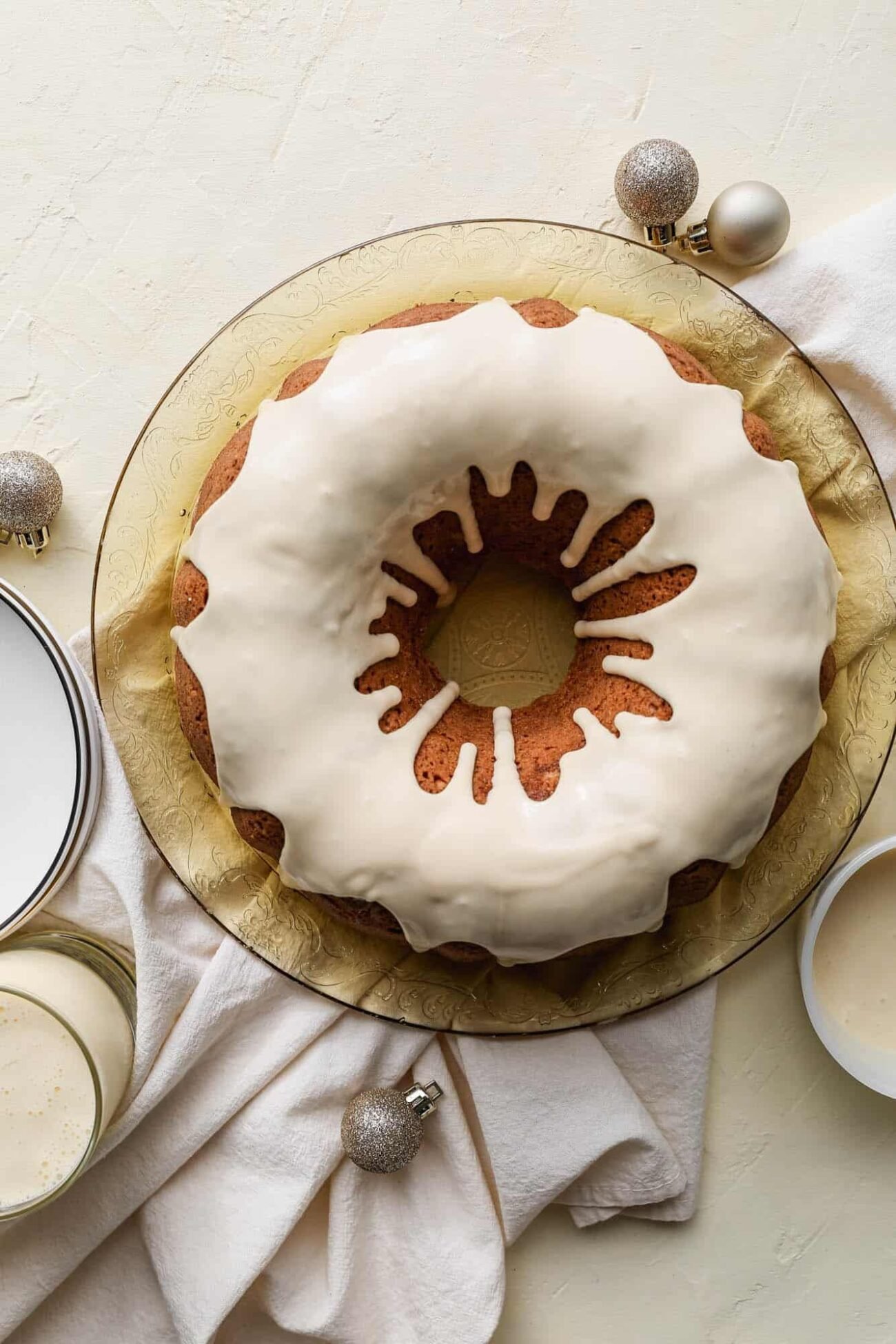
This Gluten-Free Vanilla Bundt Cake is a soft, moist, tender cake with a beautiful golden crust and a rich, creamy glaze drizzled generously over the top. Inspired by the elegant Bundt cakes shown in the image, this recipe can also be made as mini Bundt cakes for parties, family gatherings, afternoon tea, or an easy homemade dessert.
The cake has a classic vanilla flavor, while the smooth glaze adds just the right amount of sweetness. Most importantly, if you are preparing this for someone with celiac disease, make sure every ingredient is certified gluten-free and take care to prevent cross-contact in your kitchen.
Ingredients
For the Gluten-Free Vanilla Cake
- 2 cups gluten-free all-purpose flour blend, preferably one containing xanthan gum
- 1 ½ teaspoons gluten-free baking powder
- ½ teaspoon baking soda
- ¼ teaspoon salt
- ½ cup unsalted butter, softened
- ¾ cup granulated sugar
- ¼ cup light brown sugar
- 3 large eggs, room temperature
- 2 teaspoons pure vanilla extract
- ¾ cup buttermilk, room temperature
- ¼ cup sour cream or plain Greek yogurt
- 2 tablespoons vegetable oil
For the Creamy Vanilla Glaze
- 4 ounces cream cheese, softened
- 2 tablespoons unsalted butter, softened
- 1 ½ cups powdered sugar
- 1 teaspoon vanilla extract
- 2–3 tablespoons milk or heavy cream
- Pinch of salt
Important Gluten-Free Note
For a celiac-friendly version, check the labels of all ingredients, especially flour, baking powder, baking soda, powdered sugar, vanilla extract, cream cheese, and any decorations. Choose products specifically labeled or certified gluten-free when possible.
Also use a clean Bundt pan, mixing bowls, utensils, measuring cups, and work surface that have not been contaminated with regular wheat flour. Even if the cake itself contains no wheat, cross-contact can be a concern for people with celiac disease.
Step 1: Prepare the Bundt Pan
Preheat your oven to 350°F (175°C).
Generously grease a 10- to 12-cup Bundt pan with softened butter or gluten-free baking spray. Pay particular attention to all the grooves and decorative areas of the pan because Bundt cakes can stick easily.
For extra protection, lightly dust the greased pan with a little gluten-free flour. Turn the pan upside down and gently tap out any excess flour.
Set the prepared pan aside while you make the batter.
Step 2: Mix the Dry Ingredients
In a medium bowl, whisk together the gluten-free flour blend, gluten-free baking powder, baking soda, and salt.
Mixing these ingredients separately helps distribute the leavening agents evenly throughout the flour. This is especially helpful with gluten-free cakes because you want the finished cake to rise evenly and have a soft texture.
Set the bowl aside.
Step 3: Cream the Butter and Sugar
Place the softened butter, granulated sugar, and brown sugar into a large mixing bowl.
Using an electric mixer, beat the mixture on medium speed for about 3–4 minutes, until it becomes lighter, creamy, and fluffy.
This step helps incorporate air into the batter and contributes to a lighter cake.
Add the eggs one at a time, mixing well after each addition. Scrape down the sides of the bowl as needed.
Add the vanilla extract and mix until combined.
Step 4: Add the Wet Ingredients
In a separate small bowl, combine the buttermilk and sour cream or Greek yogurt.
With the mixer on low speed, gradually add the dry ingredients to the butter mixture, alternating with the buttermilk mixture.
Begin with approximately one-third of the flour mixture, then add half of the buttermilk mixture. Continue alternating, finishing with the remaining dry ingredients.
Mix just until everything is combined.
Do not overmix the batter. Gluten-free cake batter can become heavy if it is mixed excessively.
Finally, add the vegetable oil and gently mix until incorporated.
The batter should be thick, smooth, and creamy.
Step 5: Fill the Bundt Pan
Spoon the batter evenly into the prepared Bundt pan.
Use a spatula to gently spread the batter and make sure it reaches all the grooves. Lightly tap the pan against the countertop once or twice to remove large air pockets.
Do not fill the pan completely to the top. Leave some space for the cake to rise.
Step 6: Bake
Place the Bundt pan in the center of the preheated oven.
Bake for approximately 40–50 minutes, depending on your oven and the size and shape of your pan.
Begin checking around 40 minutes.
Insert a toothpick or thin skewer into the thickest part of the cake. If it comes out clean or with a few moist crumbs, the cake is ready.
If the top begins browning too quickly, loosely cover it with aluminum foil for the remaining baking time.
Once baked, remove the cake from the oven and allow it to cool in the pan for about 10–15 minutes.
Do not try to remove it immediately because the cake may break while it is still very hot.
Step 7: Remove and Cool the Cake
Carefully run a thin knife around the edges of the cake if necessary.
Place a serving plate over the Bundt pan and carefully turn the pan upside down.
The cake should release onto the plate.
Allow it to cool completely before adding the glaze. If the cake is warm, the glaze may melt and run off too quickly.
Step 8: Prepare the Creamy Vanilla Glaze
For the glaze, beat the softened cream cheese and butter together until smooth.
Gradually add the powdered sugar while mixing on low speed.
Add vanilla extract and a pinch of salt.
Slowly add the milk or heavy cream, one tablespoon at a time, until the glaze reaches the consistency you like.
For a thick, dramatic glaze like the one shown in the image, keep the mixture fairly thick. If you want a thinner drizzle, add another tablespoon of milk.
Step 9: Decorate
Once the Bundt cake has cooled completely, spoon the glaze over the top.
Let it naturally flow down the sides and into the grooves of the cake.
For mini Bundt cakes, you can pipe the glaze over each individual cake using a piping bag or simply spoon it over the top.
Allow the glaze to set for approximately 15–20 minutes before serving.
Mini Bundt Cake Option
If you want to recreate the smaller cakes shown in the image, divide the batter among well-greased mini Bundt pans.
Do not overfill them.
Bake at 350°F (175°C) for approximately 18–25 minutes, checking them early because mini cakes bake much faster than a full-size Bundt cake.
Allow them to cool before removing them from the pans and decorating with the cream cheese glaze.
Tips for the Best Gluten-Free Bundt Cake
Use room-temperature ingredients: Room-temperature eggs, butter, buttermilk, and sour cream combine more easily and help create a smoother batter.
Choose a good gluten-free flour blend: A gluten-free all-purpose blend designed for cakes works best. If the blend does not contain xanthan gum, follow the manufacturer’s recommendation for adding it.
Do not overmix: Mix only until the ingredients are combined.
Grease the Bundt pan carefully: Every groove should be coated so the cake releases easily.
Cool before glazing: A completely cooled cake gives you a much prettier glaze.
Measure gluten-free flour correctly: For the most consistent results, weighing the flour is preferable. If using cups, spoon the flour into the measuring cup and level it rather than packing it down.
Serving Suggestions
This cake is delicious served on its own with a cup of coffee or tea. For a more special dessert, serve slices with fresh strawberries, blueberries, raspberries, or a spoonful of whipped cream.
You can also add a little gluten-free chocolate, chopped nuts, or lemon zest to the batter for a variation. However, always check that any additional ingredients are gluten-free if you are preparing the cake for someone with celiac disease.
Storage
Store the glazed cake in an airtight container. Because the glaze contains cream cheese, refrigerate the cake and consume it within several days for the best quality.
Before serving, allow refrigerated slices to sit at room temperature for a short time so the cake becomes soft and tender again.
Final Thoughts
This Gluten-Free Vanilla Bundt Cake with Creamy Glaze is a beautiful dessert that looks impressive without requiring complicated decorating skills. The soft vanilla cake, golden exterior, and thick creamy glaze create a classic combination that works beautifully for birthdays, holidays, family dinners, or simply a weekend baking project.
For a celiac-friendly kitchen, remember that using gluten-free ingredients alone isn’t enough—preventing cross-contact is also important. With carefully selected ingredients and clean equipment, you can make a beautiful Bundt cake that everyone can enjoy.

